Did you know, lungworm larvae use exploding mould spores to spread up to 3m across pasture!? And spread from the small intestine, through the lymph system to end up in the lungs?! How disgusting and incredible is that!

Now that I’ve got your attention, it’s time to talk Lungworm (Dictyocaulus viviparus). We have seen a spike in cases recently due to the warm and humid start to spring, so it’s been a timely reminder to all of us to ensure our farmers are thinking about them too.
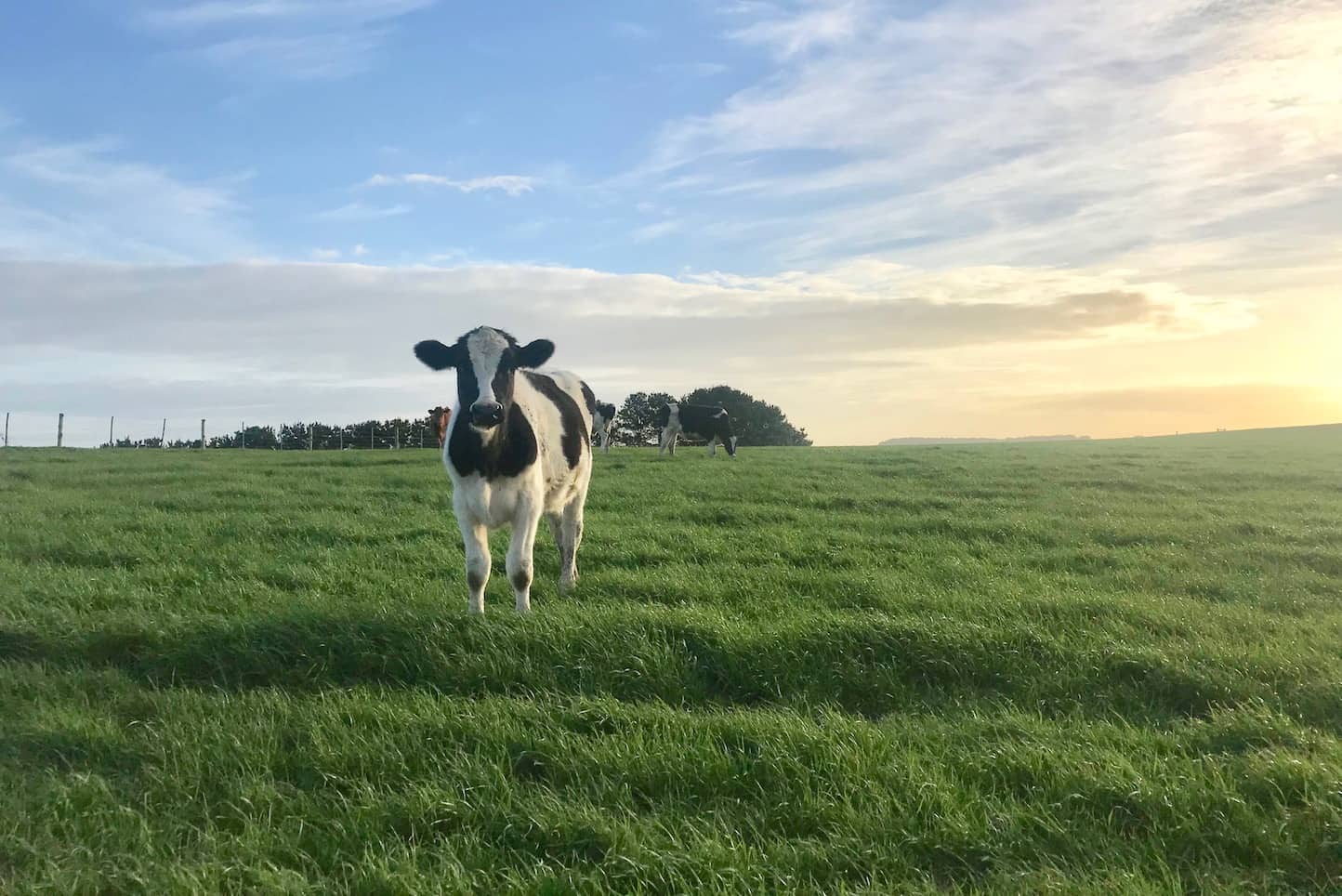
Calves aged 4-12 months are the most susceptible, but all ages can be affected, especially when animals are under stress or conditions are perfect like they are now.
Signs to watch out for are:
- Harsh, dry coughing
- Increased breathing rate and effort
- Snotty noses
- Weight loss/poor condition
Exercise will make these signs more obvious so next time you’re moving young stock or as the herd arrives in the yards for milking, take a second to just stop and listen. Frequent coughing and laboured breathing could indicate a heavy burden of lungworm in your stock.
Lucky for us, lungworm is susceptible to all common drench types with no known resistance, so once a diagnosis is made – there is an easy solution to get you and your stock breathing easier again!
Contact one of our clinics today for more information and to arrange testing to see if lungworm is a problem on your farm.